You know it’s a bad day for your depression when you see characters in your game whispering to each other and your mind goes ‘that’s about you.’


You know it’s a bad day for your depression when you see characters in your game whispering to each other and your mind goes ‘that’s about you.’

Becoming a mother is supposed to be one of the most joyful experiences of a woman’s life, but for many of us, the reality can be far more complicated. Looking back on my own journey, I realize I was living through a mental health struggle that, in hindsight, was postpartum depression (PPD) and perhaps even postpartum psychosis. But in the 1980s, these conditions were rarely discussed or properly diagnosed. The word “postpartum depression” wasn’t as widely known, and mental health awareness was still in its infancy.
I became a mother in the early ’80s, during a time when motherhood was often romanticized, and women were expected to bounce back quickly and flawlessly. However, after the birth of my first child, I felt utterly different. The overwhelming fear, the disconnection, the deep exhaustion – it all felt suffocating, and I had no words for it. It wasn’t until much later that I would come to understand what I was experiencing, and that understanding is what I want to share now.
After my baby was born, I felt like a completely different person, and not in the way that people had warned me about – the way you hear that your life will change in a beautiful way. Instead, I was terrified, not of the baby, but of my husband. There was no clear reason for this fear. He was a good, kind man, and had always been supportive, but I felt an inexplicable sense of dread when he was near me. I couldn’t understand why I was so terrified of someone who had been a comforting presence in my life before.
This was only the beginning of the disconnect. I couldn’t bring myself to clean the house, something that once came so naturally to me. The weight of household chores felt like a mountain, and every task, no matter how small, seemed insurmountable. All I could focus on was the baby. I didn’t want to be apart from her for even a second, and I couldn’t shake the feeling that if I wasn’t constantly with her, something would go terribly wrong.
I was overwhelmed – overwhelmed in a way that went beyond the usual challenges of new motherhood. It wasn’t just about sleepless nights or learning to care for a newborn; it was a constant state of emotional and mental exhaustion. My mind felt like it was in a fog, and the ability to do simple tasks seemed impossible. I knew something was wrong, but I couldn’t identify what it was.
At the time, postpartum depression and postpartum psychosis were not well understood or discussed. People didn’t talk about mental health as openly as they do now, and there was little awareness that new mothers could experience anything more than the so-called “baby blues.” I wasn’t crying uncontrollably or feeling sad in the traditional sense, so I didn’t know that PPD was a possibility. Instead, I chalked it up to the normal stresses of new motherhood, thinking that eventually, I would snap out of it.
Looking back, I see that I was struggling with a condition that, if it had been recognized, might have made a world of difference. I wasn’t just “exhausted” or “adjusting” – I was experiencing symptoms that mirrored PPD, and perhaps even postpartum psychosis. The paranoia, the inability to connect with my partner, and the overwhelming fear were all signs that should have been addressed.
What made the situation even more difficult was the lack of understanding from those around me. My husband, though supportive, was confused and frustrated by my sudden emotional distance and the drastic change in my behavior. Friends and family saw a new mother who seemed “different” but couldn’t pinpoint why. I don’t blame anyone for this, as the conversation around mental health was barely beginning to take root at the time, and postpartum depression was not a widely recognized issue.
In those early days, I felt so isolated. It was as if I was in a mental and emotional prison. I wanted to be the joyful, loving mother I had imagined, but all I could do was hold onto my baby and try to get through each day. There was no community or support group to lean on, and I had no idea that what I was feeling could be treated or even understood.
Now, I look back and understand what was happening to me. Postpartum depression can manifest in many ways – from overwhelming sadness and guilt to feelings of fear, anxiety, and even disconnection from loved ones. For me, the disconnection was one of the hardest parts. I didn’t recognize myself anymore, and I didn’t know how to ask for help or even what help I needed.
If I had known then what I know now – that postpartum depression can affect a woman’s mental and emotional health in such profound ways – I would have sought out the care I needed. Early diagnosis and treatment could have helped alleviate some of the pain and confusion I experienced. But the important thing now is that the conversation is changing. More women are speaking up about their struggles, and healthcare professionals are more equipped to recognize the signs of postpartum depression and psychosis.
The experience I had after the birth of my first child in the 1980s was one that many new mothers may still relate to, but with more awareness and support available today, fewer women have to suffer in silence. If you are a new mother or know someone who is struggling, I encourage you to seek help, to trust that there is no shame in asking for support, and to remember that mental health is just as important as physical health.
In writing this, I hope to contribute to the ongoing conversation about postpartum mental health and share a piece of my story to help others who may be going through something similar. You are not alone, and there is help available. You are allowed to ask for help, and you deserve to be seen, heard, and supported.

Some days I wonder how I can go through such a variety of emotions in a single day.
Joy
Love
Exhaustion
Disgust
Happiness
Sadness
Enthusiasm
Defeat
Total devastation
Contentment
And back to overwhelming sadness
This is depression…

Depression can be a tricky beast. It doesn’t always show up in the way we expect it to. While feeling down is a common symptom, there are many other signs that you might be struggling with depression without even realizing it.
This post explores 10 signs you might want to watch out for:
Apathy:
Losing interest in things you once enjoyed is a big sign. This can be hobbies, social activities, or even spending time with loved ones.
Fatigue That Won’t Quit:
Feeling tired all the time, even after a good night’s sleep, is a common depression symptom. It can drain your motivation and make it hard to get things done. Do you wake up and feel like you didn’t sleep?
Changes in Appetite or Weight:
Some people with depression experience weight loss due to loss of appetite, while others crave sugary or fatty foods and gain weight. Think about this, do you stress eat?
Restless or Irritable? It Could Be Depression:
While sadness is a well-known symptom, depression can also manifest as anger, irritability, or frustration.
Brain Fog and Difficulty Concentrating:
Feeling foggy, forgetful, or having trouble focusing can be frustrating and a sign of underlying depression.
Aches and Pains That Don’t Let Up:
Unexplained headaches, muscle aches, or digestive issues can sometimes be connected to depression.
Withdrawing From Loved Ones:
Social isolation is a common symptom of depression. You might find yourself canceling plans or avoiding social interaction.
Feeling Hopeless or Worthless:
Depression can lead to negative self-talk and feelings of worthlessness or hopelessness.
Suicidal Thoughts:
If you are experiencing suicidal thoughts, please reach out for help immediately. You are not alone.
Remember, this list is not exhaustive. If you are experiencing several of these signs for more than a couple of weeks, it’s important to reach out to a mental health professional. They can help you get a diagnosis and create a treatment plan.
Here are some resources to get you started:
Taking care of your mental health is just as important as taking care of your physical health. Don’t be afraid to reach out for help.
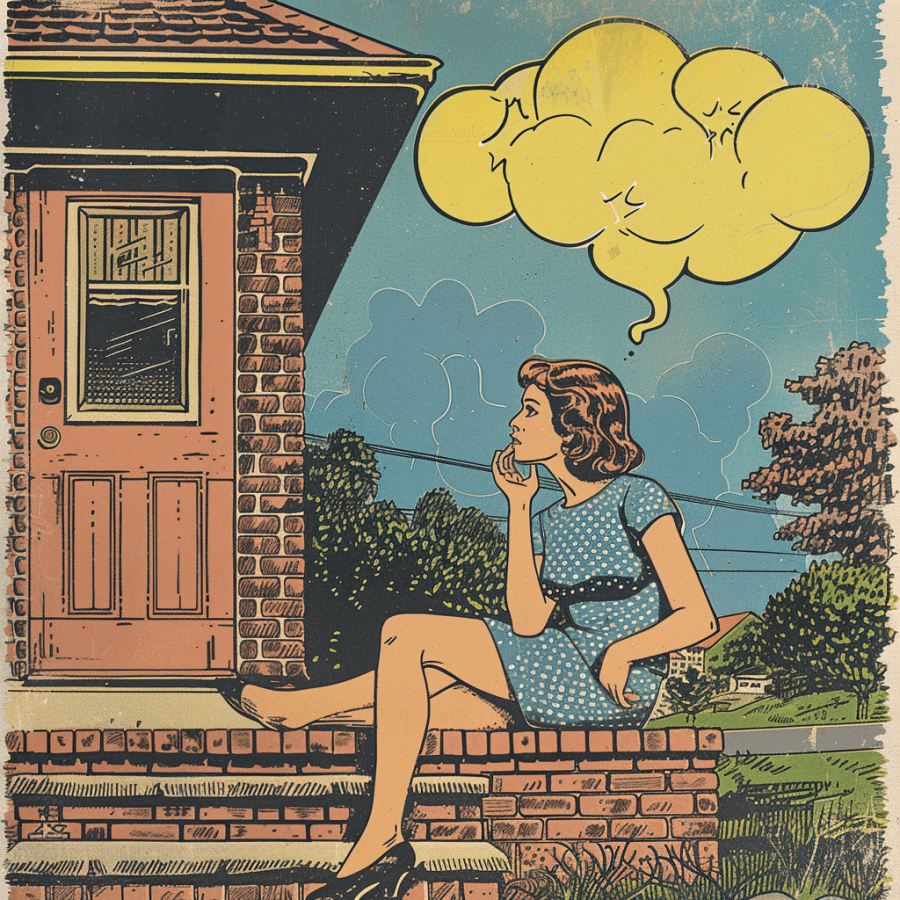
Have you felt like you’re stuck in a never-ending cycle of depression and worry about the future? I know I have. It’s a struggle that many face, but it doesn’t have to be a permanent state of being. In this blog post, I’ll share some of the strategies that have helped me deal with my depression and manage my worries about the future.
Remember, dealing with depression and worrying about the future takes time and effort, but it’s possible to make it work. Don’t hesitate to seek help and support when you need it. By implementing these strategies, you can take control of your mental health and live a more fulfilling life.

New Year’s Eve fireworks light up the sky, promises of a fresh start shimmer like confetti, and everyone seems to be buzzing with resolutions. But for those battling depression, the festive cheer can feel like a stark contrast to their inner reality. The pressure to transform, the overwhelming expectations, and the looming “new year, new me” narrative can easily trigger anxiety and hopelessness.
So, how does someone struggling with depression navigate this season of resolutions without sinking deeper into the blues? Here are some reflections and tips:
Acknowledging the Challenge:
Crafting Intentions, Not Resolutions:
Building a Support System:
Remember, New Year’s resolutions are not a mandatory decree. This year, prioritize your well-being, be gentle with yourself, and focus on nurturing progress over perfection. Small, intentional steps taken with self-compassion can pave the way for meaningful change, even when battling the blues.
Additional Tips:

Depression can feel like a heavy cloak, muffling joy and zapping motivation. But even in the midst of the storm, a little laughter can peek through the clouds. And what better way to find that sliver of sunshine than with some silly sayings?
Sure, they may not be Shakespeare, but these nonsensical nuggets of fun can bring a smile to your face, even if it’s just a tiny one. And sometimes, that’s all it takes to tip the scales in the right direction.
So, let’s ditch the doom and gloom and dive into the delightful world of silly sayings! Here are a few gems to get you started:
Remember, laughter is the best medicine (okay, maybe not literally, but it’s pretty darn good). So, share these silly sayings with your fellow depression warriors. Spread the laughter, lighten the mood, and maybe, just maybe, you’ll all find a reason to smile again.
Bonus Silly Sayings:
Remember, the key is to find the silly sayings that resonate with you. They’re not a magic cure, but they can be a powerful tool in your depression-fighting arsenal. So, laugh it out, embrace the absurdity, and let the sillies chase away the blues!
P.S. If you’re struggling with depression, please know that you’re not alone. There are people who care about you and want to help. Reach out to a friend, family member, therapist, or anyone you trust. There is hope, and there is help. You deserve to feel happy again.
I hope this post brought a smile to your face, even if it was just a small one. Remember, laughter is a powerful tool, so use it liberally! And above all, be kind to yourself. You’re doing great.
Now go forth and spread the silly!

Are you struggling with depression during the holiday season? It’s important to remember that you’re not alone in this. Many people experience feelings of sadness, loneliness, and anxiety during this time of year. Here are some tips that might help you cope with depression during the holidays:
Remember, depression is a treatable condition. If you’re struggling with depression during the holidays, don’t hesitate to reach out for help. You deserve to feel better and enjoy the holiday season. I hope these tips are helpful to you. If you need any further assistance, please let me know.
Sources:
(1) Coping with depression during the holidays. https://www.msn.com/en-us/health/other/coping-with-depression-during-the-holidays/ar-AA1kiB5d.
(2) How to support a loved one with depression during the holidays. https://www.msn.com/en-us/health/wellness/how-to-support-a-loved-one-with-depression-during-the-holidays/ar-AA1kj5CV.
(3) The Connection’s Center for Behavioral Health: Depression Awareness During the Holidays. https://www.wtnh.com/ctmorningbuzz/unlocking-recovery/the-connections-center-for-behavioral-health-depression-awareness-during-the-holidays/.
(4) Dealing With Holiday Depression and Stress – Cleveland Clinic. https://health.clevelandclinic.org/holiday-depression-and-stress/.
(5) Holiday depression: Causes, symptoms, and more – Medical News Today. https://www.medicalnewstoday.com/articles/holiday-depression.
(6) Holiday Depression and the Most Wonderful Time of the Year. https://www.psychologytoday.com/us/blog/happiness-is-state-mind/201912/holiday-depression-and-the-most-wonderful-time-the-year.

As someone that has dealt with depression for many years, I feel that the access to help when depressed is critical to everyone. But, as mentioned below, it isn’t always something that everyone can afford. Read on to find out more about what to do when you can’t cope with the cost of therapy but still need to cope with depression. Remember there are always options when you need help right now. See my earlier post on Where to get help.
Depression is a common mental health condition that affects millions of people worldwide. It can cause a variety of symptoms, including sadness, loss of interest in activities, changes in appetite and sleep, fatigue, and difficulty concentrating. Depression can have a significant impact on your daily life, making it difficult to work, study, and maintain relationships.
If you are struggling with depression, it is important to seek professional help. However, therapy can be expensive, and not everyone can afford it. If you can’t afford therapy, there are a number of things you can do to cope with depression on your own.
Here are 10 ways to cope with depression when you can’t afford therapy:
If you are struggling to cope with depression on your own, please know that you are not alone. There are people who care about you and want to help. Reach out to a trusted friend or family member, or seek professional help from a therapist or counselor.
Additional tips

I recently found these two videos from WHO (World Health Organization) that do a wonderful job explaining depression in a completely new way (new to me at least). Take a look!
I hope you take the time to watch and really listen to these videos. They may not be new, but they are wonderful and real.
 The New DebDebTig Blog