Becoming a mother is supposed to be one of the most joyful experiences of a woman’s life, but for many of us, the reality can be far more complicated. Looking back on my own journey, I realize I was living through a mental health struggle that, in hindsight, was postpartum depression (PPD) and perhaps even postpartum psychosis. But in the 1980s, these conditions were rarely discussed or properly diagnosed. The word “postpartum depression” wasn’t as widely known, and mental health awareness was still in its infancy.
I became a mother in the early ’80s, during a time when motherhood was often romanticized, and women were expected to bounce back quickly and flawlessly. However, after the birth of my first child, I felt utterly different. The overwhelming fear, the disconnection, the deep exhaustion – it all felt suffocating, and I had no words for it. It wasn’t until much later that I would come to understand what I was experiencing, and that understanding is what I want to share now.
The Unseen Struggles: Fear and Disconnection
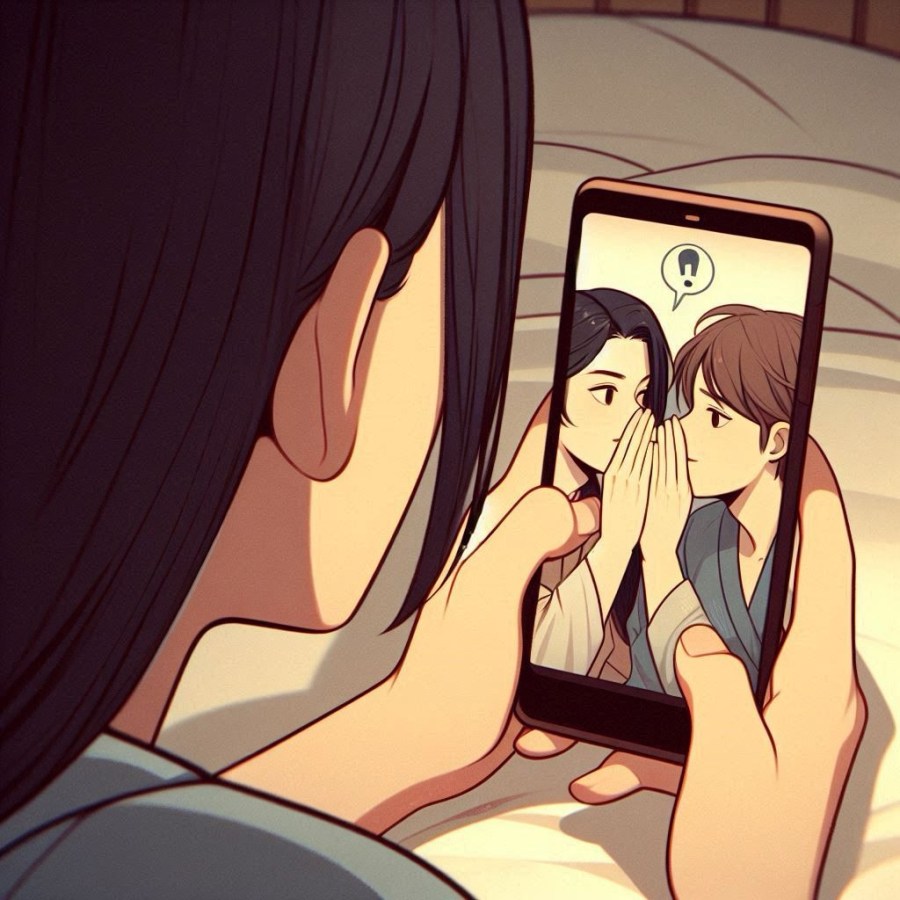
After my baby was born, I felt like a completely different person, and not in the way that people had warned me about – the way you hear that your life will change in a beautiful way. Instead, I was terrified, not of the baby, but of my husband. There was no clear reason for this fear. He was a good, kind man, and had always been supportive, but I felt an inexplicable sense of dread when he was near me. I couldn’t understand why I was so terrified of someone who had been a comforting presence in my life before.
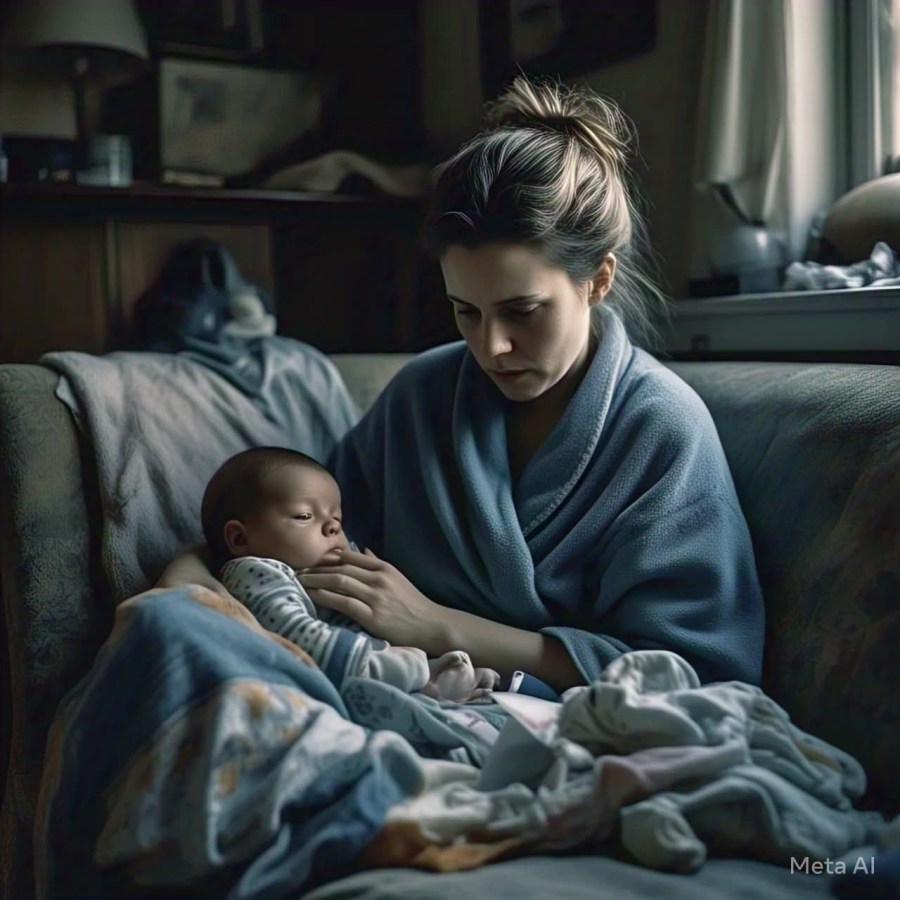
This was only the beginning of the disconnect. I couldn’t bring myself to clean the house, something that once came so naturally to me. The weight of household chores felt like a mountain, and every task, no matter how small, seemed insurmountable. All I could focus on was the baby. I didn’t want to be apart from her for even a second, and I couldn’t shake the feeling that if I wasn’t constantly with her, something would go terribly wrong.
I was overwhelmed – overwhelmed in a way that went beyond the usual challenges of new motherhood. It wasn’t just about sleepless nights or learning to care for a newborn; it was a constant state of emotional and mental exhaustion. My mind felt like it was in a fog, and the ability to do simple tasks seemed impossible. I knew something was wrong, but I couldn’t identify what it was.
The Absence of Diagnosis in the 1980s
At the time, postpartum depression and postpartum psychosis were not well understood or discussed. People didn’t talk about mental health as openly as they do now, and there was little awareness that new mothers could experience anything more than the so-called “baby blues.” I wasn’t crying uncontrollably or feeling sad in the traditional sense, so I didn’t know that PPD was a possibility. Instead, I chalked it up to the normal stresses of new motherhood, thinking that eventually, I would snap out of it.
Looking back, I see that I was struggling with a condition that, if it had been recognized, might have made a world of difference. I wasn’t just “exhausted” or “adjusting” – I was experiencing symptoms that mirrored PPD, and perhaps even postpartum psychosis. The paranoia, the inability to connect with my partner, and the overwhelming fear were all signs that should have been addressed.
Living with the Unseen
What made the situation even more difficult was the lack of understanding from those around me. My husband, though supportive, was confused and frustrated by my sudden emotional distance and the drastic change in my behavior. Friends and family saw a new mother who seemed “different” but couldn’t pinpoint why. I don’t blame anyone for this, as the conversation around mental health was barely beginning to take root at the time, and postpartum depression was not a widely recognized issue.
In those early days, I felt so isolated. It was as if I was in a mental and emotional prison. I wanted to be the joyful, loving mother I had imagined, but all I could do was hold onto my baby and try to get through each day. There was no community or support group to lean on, and I had no idea that what I was feeling could be treated or even understood.
Moving Forward: What I Wish I Had Known
Now, I look back and understand what was happening to me. Postpartum depression can manifest in many ways – from overwhelming sadness and guilt to feelings of fear, anxiety, and even disconnection from loved ones. For me, the disconnection was one of the hardest parts. I didn’t recognize myself anymore, and I didn’t know how to ask for help or even what help I needed.
If I had known then what I know now – that postpartum depression can affect a woman’s mental and emotional health in such profound ways – I would have sought out the care I needed. Early diagnosis and treatment could have helped alleviate some of the pain and confusion I experienced. But the important thing now is that the conversation is changing. More women are speaking up about their struggles, and healthcare professionals are more equipped to recognize the signs of postpartum depression and psychosis.
Conclusion: Breaking the Silence
The experience I had after the birth of my first child in the 1980s was one that many new mothers may still relate to, but with more awareness and support available today, fewer women have to suffer in silence. If you are a new mother or know someone who is struggling, I encourage you to seek help, to trust that there is no shame in asking for support, and to remember that mental health is just as important as physical health.
In writing this, I hope to contribute to the ongoing conversation about postpartum mental health and share a piece of my story to help others who may be going through something similar. You are not alone, and there is help available. You are allowed to ask for help, and you deserve to be seen, heard, and supported.





 The New DebDebTig Blog