

Signs You Might Be Depressed and Don’t Know It

Depression can be a tricky beast. It doesn’t always show up in the way we expect it to. While feeling down is a common symptom, there are many other signs that you might be struggling with depression without even realizing it.

This post explores 10 signs you might want to watch out for:

Apathy:

Losing interest in things you once enjoyed is a big sign. This can be hobbies, social activities, or even spending time with loved ones.

Fatigue That Won’t Quit:

Feeling tired all the time, even after a good night’s sleep, is a common depression symptom. It can drain your motivation and make it hard to get things done. Do you wake up and feel like you didn’t sleep?

Changes in Appetite or Weight:

Some people with depression experience weight loss due to loss of appetite, while others crave sugary or fatty foods and gain weight. Think about this, do you stress eat?

Restless or Irritable? It Could Be Depression:

While sadness is a well-known symptom, depression can also manifest as anger, irritability, or frustration.

Brain Fog and Difficulty Concentrating:

Feeling foggy, forgetful, or having trouble focusing can be frustrating and a sign of underlying depression.

Aches and Pains That Don’t Let Up:

Unexplained headaches, muscle aches, or digestive issues can sometimes be connected to depression.

Withdrawing From Loved Ones:

Social isolation is a common symptom of depression. You might find yourself canceling plans or avoiding social interaction.

Feeling Hopeless or Worthless:

Depression can lead to negative self-talk and feelings of worthlessness or hopelessness.

Suicidal Thoughts:

If you are experiencing suicidal thoughts, please reach out for help immediately. You are not alone.

Remember, this list is not exhaustive. If you are experiencing several of these signs for more than a couple of weeks, it’s important to reach out to a mental health professional. They can help you get a diagnosis and create a treatment plan.

Here are some resources to get you started:

  • National Suicide Prevention Lifeline: 988
  • Crisis Text Line: Text HOME to 741741
  • SAMHSA National Helpline: 1-800-662-HELP (4357)

Taking care of your mental health is just as important as taking care of your physical health. Don’t be afraid to reach out for help.
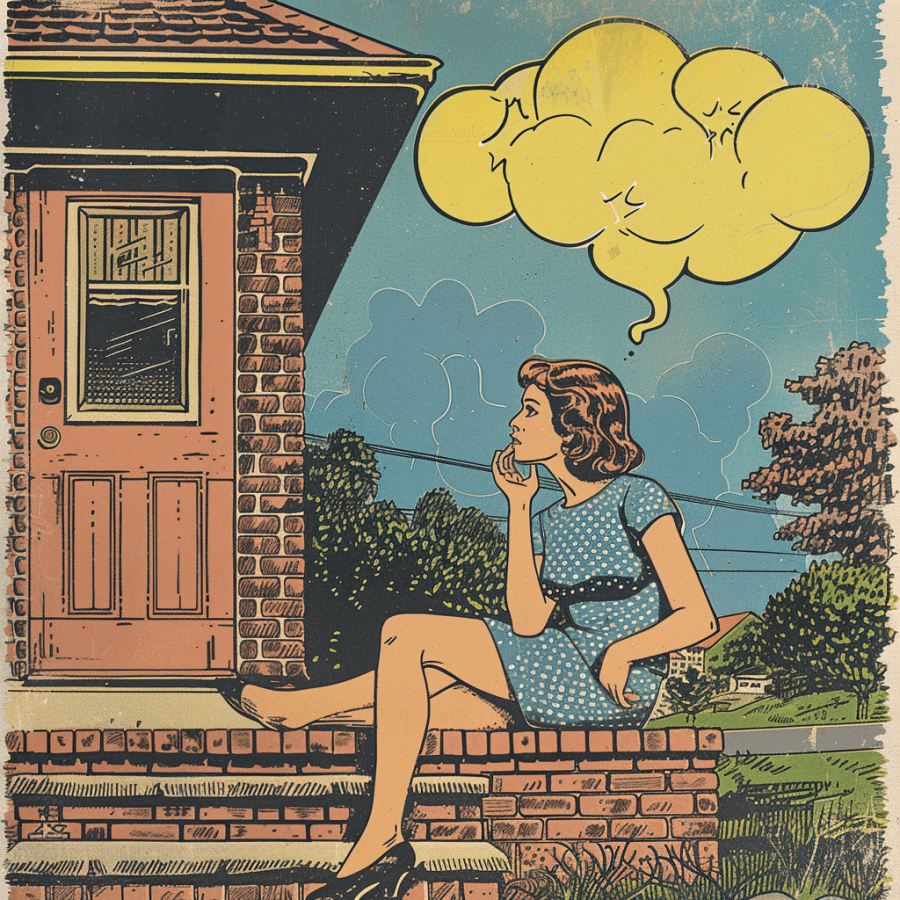

Working through depression and worrying about the future: A personal journey

Have you felt like you’re stuck in a never-ending cycle of depression and worry about the future? I know I have. It’s a struggle that many face, but it doesn’t have to be a permanent state of being. In this blog post, I’ll share some of the strategies that have helped me deal with my depression and manage my worries about the future.

  1. Practice Mindfulness: Mindfulness is a practice that involves being fully present and aware of the current moment. It can help you calm your mind and reduce stress. Some ways to practice mindfulness include meditation, deep breathing exercises, and yoga.
  2. Set Realistic Goals: Setting achievable goals can give you a sense of purpose and direction. It’s important to start small and gradually work your way up to bigger goals. Remember to celebrate your accomplishments along the way!
  3. Seek Support: You don’t have to face depression and worry alone. Talking to a trusted friend, family member, or therapist can help you feel supported and understood. Seeking professional help is nothing to be ashamed of and can provide you with valuable coping strategies.
  4. Practice Self-Care: Taking care of your physical and mental health is crucial for managing depression and worry. Make sure to eat healthy, get enough sleep, and exercise regularly. Engaging in activities you enjoy can also improve your mood and well-being.
  5. Challenge Negative Thoughts: Negative thinking patterns can fuel depression and worry. Challenge these thoughts by questioning their validity and replacing them with more realistic and positive thoughts.

Remember, dealing with depression and worrying about the future takes time and effort, but it’s possible to make it work. Don’t hesitate to seek help and support when you need it. By implementing these strategies, you can take control of your mental health and live a more fulfilling life.

When “New Year, New Me” Meets the Blues: Navigating Depression and Resolutions

New Year’s Eve fireworks light up the sky, promises of a fresh start shimmer like confetti, and everyone seems to be buzzing with resolutions. But for those battling depression, the festive cheer can feel like a stark contrast to their inner reality. The pressure to transform, the overwhelming expectations, and the looming “new year, new me” narrative can easily trigger anxiety and hopelessness.

So, how does someone struggling with depression navigate this season of resolutions without sinking deeper into the blues? Here are some reflections and tips:

Acknowledging the Challenge:

  • Validate your feelings. It’s okay to feel overwhelmed, unmotivated, or even cynical about resolutions. Bottling up those emotions won’t help. Acknowledge that depression adds an extra layer of difficulty to change, and be kind to yourself.
  • Challenge the narrative. The “new year, new me” message often feeds into unrealistic expectations and feelings of inadequacy. Remember, change is a journey, not a destination. You are worthy of self-improvement at any time, not just January 1st.

Crafting Intentions, Not Resolutions:

  • Focus on small, achievable goals. Forget the drastic life makeovers. Instead, set simple, actionable intentions that align with your current capacity. Starting with daily walks, a weekly gratitude practice, or even just getting enough sleep can feel significant and contribute to progress.
  • Prioritize self-care. Resolutions often focus on external achievements, but depression whispers the need for internal healing. Make self-care a non-negotiable intention. Schedule time for activities that bring you comfort, like reading, taking a long bath, or spending time in nature.
  • Be flexible and embrace imperfection. Life rarely unfolds according to plan, especially when navigating depression. Celebrate small wins, adjust your intentions as needed, and remember that progress isn’t linear.

Building a Support System:

  • Talk to someone you trust. Bottling up your struggles only amplifies them. Confide in a friend, family member,therapist, or online support group. Sharing your burden can lessen its weight and offer valuable perspective.
  • Seek professional help if needed. Don’t hesitate to reach out to a mental health professional for guidance and support. Depression is a serious illness, and seeking help is a sign of strength, not weakness.

Remember, New Year’s resolutions are not a mandatory decree. This year, prioritize your well-being, be gentle with yourself, and focus on nurturing progress over perfection. Small, intentional steps taken with self-compassion can pave the way for meaningful change, even when battling the blues.

Additional Tips:

  • Consider alternative frameworks, like “intentions” or “aspirations” instead of “resolutions”.
  • Celebrate yourself for existing, just as you are.
  • Reframe setbacks as opportunities for learning and growth.
  • Focus on gratitude for the things that bring you joy, however small.

Conquering the Blues with Silly Sayings: A Dose of Laughter for Depression’s Downers

Depression can feel like a heavy cloak, muffling joy and zapping motivation. But even in the midst of the storm, a little laughter can peek through the clouds. And what better way to find that sliver of sunshine than with some silly sayings?

Sure, they may not be Shakespeare, but these nonsensical nuggets of fun can bring a smile to your face, even if it’s just a tiny one. And sometimes, that’s all it takes to tip the scales in the right direction.

So, let’s ditch the doom and gloom and dive into the delightful world of silly sayings! Here are a few gems to get you started:

  • “I’m on a seafood diet. I see food, and I eat it.”
  • “My therapist told me to act like a duck in life. Calm and collected on the surface, paddling like hell underneath.”
  • “I’m not lazy, I’m just highly motivated to do nothing.”
  • “My brain is like a browser with 100 tabs open, most of them useless.”
  • “I’m not sure what’s wrong with my phone. I keep pressing the home button, but I’m still stuck at work.”

Remember, laughter is the best medicine (okay, maybe not literally, but it’s pretty darn good). So, share these silly sayings with your fellow depression warriors. Spread the laughter, lighten the mood, and maybe, just maybe, you’ll all find a reason to smile again.

Bonus Silly Sayings:

  • Feeling stressed? Just remember, you’re basically a walking bag of chemicals. Take a deep breath and chill, your mitochondria will thank you. 
  • Can’t sleep? Don’t worry, sheep aren’t judging. They’re probably just as awake as you are, counting all the ways their lives are better than ours. 
  • Feeling down? Think of it as practicing for your superhero origin story. Every great hero has a rock-bottom moment before they rise to the top. 
  • Brain not working? Don’t panic, it’s probably just on energy saver mode. Grab a coffee and hit the reset button.
  • Having a bad hair day? Just tell yourself you’re channeling your inner Einstein. Messy hair = genius, right?

Remember, the key is to find the silly sayings that resonate with you. They’re not a magic cure, but they can be a powerful tool in your depression-fighting arsenal. So, laugh it out, embrace the absurdity, and let the sillies chase away the blues!

P.S. If you’re struggling with depression, please know that you’re not alone. There are people who care about you and want to help. Reach out to a friend, family member, therapist, or anyone you trust. There is hope, and there is help. You deserve to feel happy again.

I hope this post brought a smile to your face, even if it was just a small one. Remember, laughter is a powerful tool, so use it liberally! And above all, be kind to yourself. You’re doing great.

Now go forth and spread the silly!